top of page

All Posts


Ũtungatĩ wa tĩri: A Decolonial call from my grandmother
How do you explain land ownership to someone who only knew land as relationship? Njeru Njoka writes a letter to his grandmother — a letter that cannot be delivered but must be written. In it, he tries to explain what happened to the land she knew: surveyed, titled, sold, enclosed. The Kikuyu concept of ũtungatĩ wa tĩri — stewardship of the soil — replaced by deeds and registries. The piece recovers this vocabulary as a living resource for land justice.
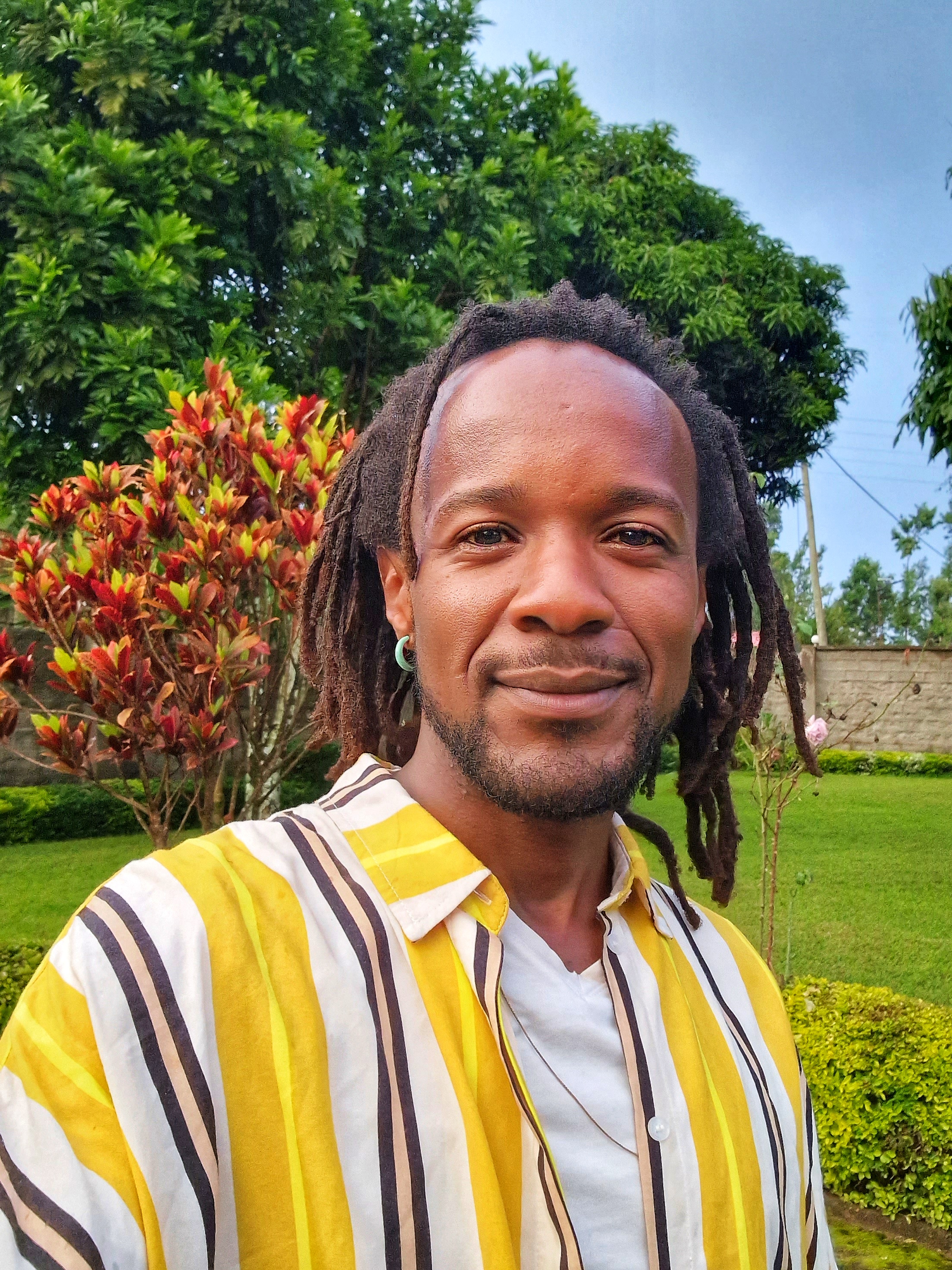
Njerũ Njoka
8 hours ago38 min read


Retirement is a Myth
What if retirement — the promise that sustains decades of labour — was never meant for you? Diamond Walton traces how the "retirement gap" is not individual failure but structural design: Social Security's original exclusions, redlining, the destruction of Black wealth-building communities like Tulsa. Her family carries this history. Her piece reclaims it — offering The Intergenerational Care Model as an alternative to deferred rest.

Diamond Walton
8 hours ago8 min read


Jambanja: Chaos in pursuit of Justice
Development aid for Blacks. Compensation for whites. Beth Davies-Kumadiro traces this hierarchy through Zimbabwe's independence — how Britain demanded payment for white settlers while offering "aid" to those whose land was stolen. When Zimbabwe finally reclaimed land, the West imposed sanctions to "make the economy scream." Drawing on archival research and farmer testimonies, Beth offers The Reparations-Aid-Compensation Framework: a tool for naming what justice requires, and
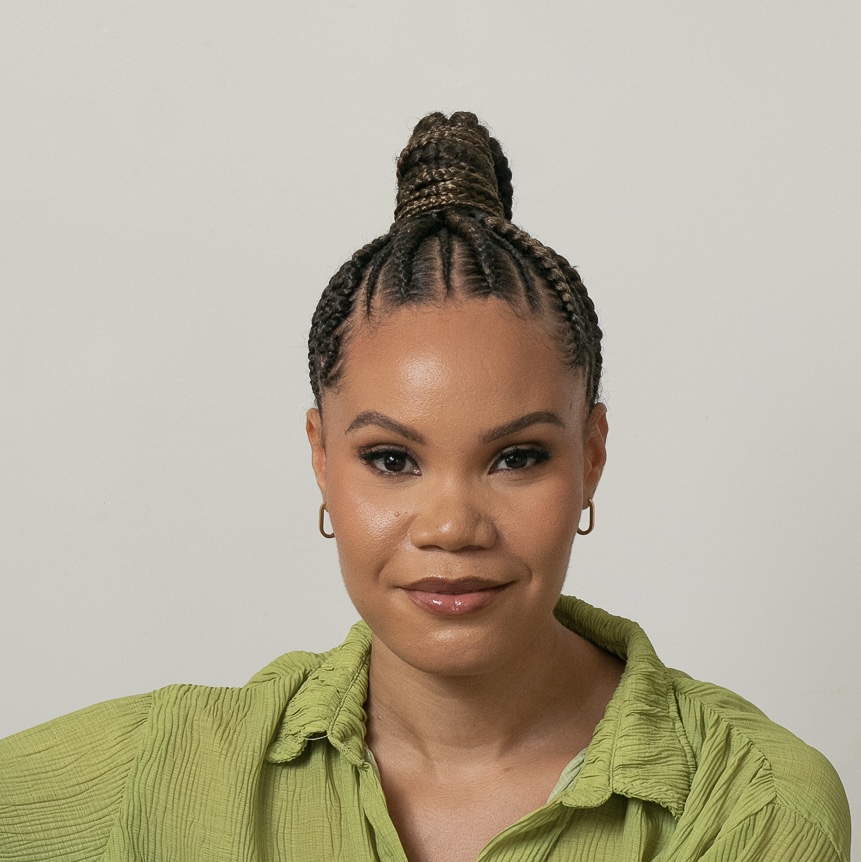
Beth Davies - Kumadiro
8 hours ago29 min read


Admiration is Not Consent
"I became visible in fragments — admired in pieces, never compensated whole." Ntondo writes from inside a partnership that celebrated her presence while extracting her labour. Through ancestor voice, film analysis, and devastating honesty, she arrives at a phrase that will stay with you: admiration is not consent. The piece offers Four Guides for anyone building across power differences — because flat structures don't exist in nature, and pretending otherwise serves extractio
Ntondo
8 hours ago16 min read


Água no feijão: Food For Sovereignty
What would it mean to eat as though all life were valued equally? Evelyn Santos answers from the soil up — tracing how Black Brazilian farmers have sustained regenerative food systems despite centuries of dispossession. Writing from her family's land, she connects food sovereignty to racial and ecological repair. If capital flowed toward life, we would not have food deserts in Black neighbourhoods or poison on fields worked by Black hands. Food is relationship. Sovereignty be

Evelyn Santos
8 hours ago10 min read


Income In the Bedroom
"I became a short tall man in love." Thula Ziqubu writes a letter to a woman named Thandi about what happens when income enters the bedroom — not the abstraction of "the economy," but the lived reality of money reshaping intimacy. How breadwinning bends love. How shame becomes "both an excellent and a cruel interior designer." The piece introduces The Cards of Us: a 36-card domestic technology for couples navigating what is often left unspoken.

Thula Ziqubu
11 hours ago9 min read


Land is not property: Notes from a country where title deeds replaced ancestors
Title deeds replaced ancestors. This is not metaphor — it is what happened when colonial law arrived in the Cherangany Hills. Kipchumba Rotich, a member of the Sengwer Indigenous Peoples of Kenya, traces how his community has faced eviction for over a century: first for settlement, then logging, then conservation, now carbon markets. The justifications change; the displacement doesn't. His answer: land is not property. It is relationship. And capital must flow toward custodia

Kipchumba Rotich
Apr 3016 min read
bottom of page