
Edition 1 Contributors

Ntondo
Cape Town, South Africa
Admiration is Not Consent:
Notes on Love and Extraction
Essay | 18 min read
Ntondo is a writer and researcher based in South Africa whose work interrogates the intersections of intimacy, labour, and capital. Her contribution to Edition 1 examines how extraction operates in the most personal spaces — how economic logics infiltrate love, how admiration can become a form of taking. She writes: 'Admiration is not consent.'
Geography
Title
Format
Biography

Kipchumba Rotich
Sengwer Nation, Kenya
Land is Not Property:
Notes from a country where title deeds replaced ancestors
Essay | 18 min read
Kipchumba Rotich is a member of the Sengwer Nation in Kenya, whose people have been repeatedly evicted from the Embobut Forest in the name of "conservation." His contribution challenges the legal fiction of land as property — a colonial technology designed to enable extraction. For the Sengwer, land is not owned. It is lived with, cared for, belonged to. He writes from inside the contradiction of being called "encroacher" on one's own ancestral home.
Sengwer Nation, Kenya
Land Is Not Property:
Notes from a country where title deeds replaced ancestors
Essay | 18 min read
Kipchumba Rotich is a member of the Sengwer Nation in Kenya, whose people have been repeatedly evicted from the Embobut Forest in the name of "conservation." His contribution challenges the legal fiction of land as property — a colonial technology designed to enable extraction. For the Sengwer, land is not owned. It is lived with, cared for, belonged to. He writes from inside the contradiction of being called "encroacher" on one's own ancestral home.
Geography
Title
Format
Biography
Kipchumba Rotich

Evelyn Dos Santos
Brazil
Água no feijão: Food for Sovereignty
Essay | 14 - minute read
Evelyn Santos is a Brazilian researcher, writer, and food systems practitioner whose work connects political ecology, racial capitalism, and food sovereignty. Writing from her grandmother's kitchen and her family's inherited history of land hunger and agricultural labour, she traces how racial capitalism in Brazil has dispossessed Black farmers while extracting their labour and knowledge — and how food sovereignty and agroecology offer not just alternatives but a return to what was always known. For Evelyn, the kitchen table is the site of economic theory. And the habit of adding water to the beans when unexpected guests arrive — água no feijão — is already the argument against scarcity economics, already the answer to racial capitalism, already the ethics the world needs.
Evelyn Santos
Brazil
Água no feijão: Food for Sovereignty
Essay | 14 min read
Evelyn Santos is an agroecology and food sovereignty advocate from Brazil. Her contribution puts food at the centre of the table. It invites us to reflect on how agrifood systems have been used to dominate, but can be transformed for reparative practice. Agroecology, she argues, is much more than farming. It is freedom and regeneration made practical.
Geography
Title
Format
Biography
Njerũ Njoka
Kenya, UK
Utungati wa tĩrĩ - A decolonial call from my grandmother
Intergeneration Bilingual Journal | 28 min read
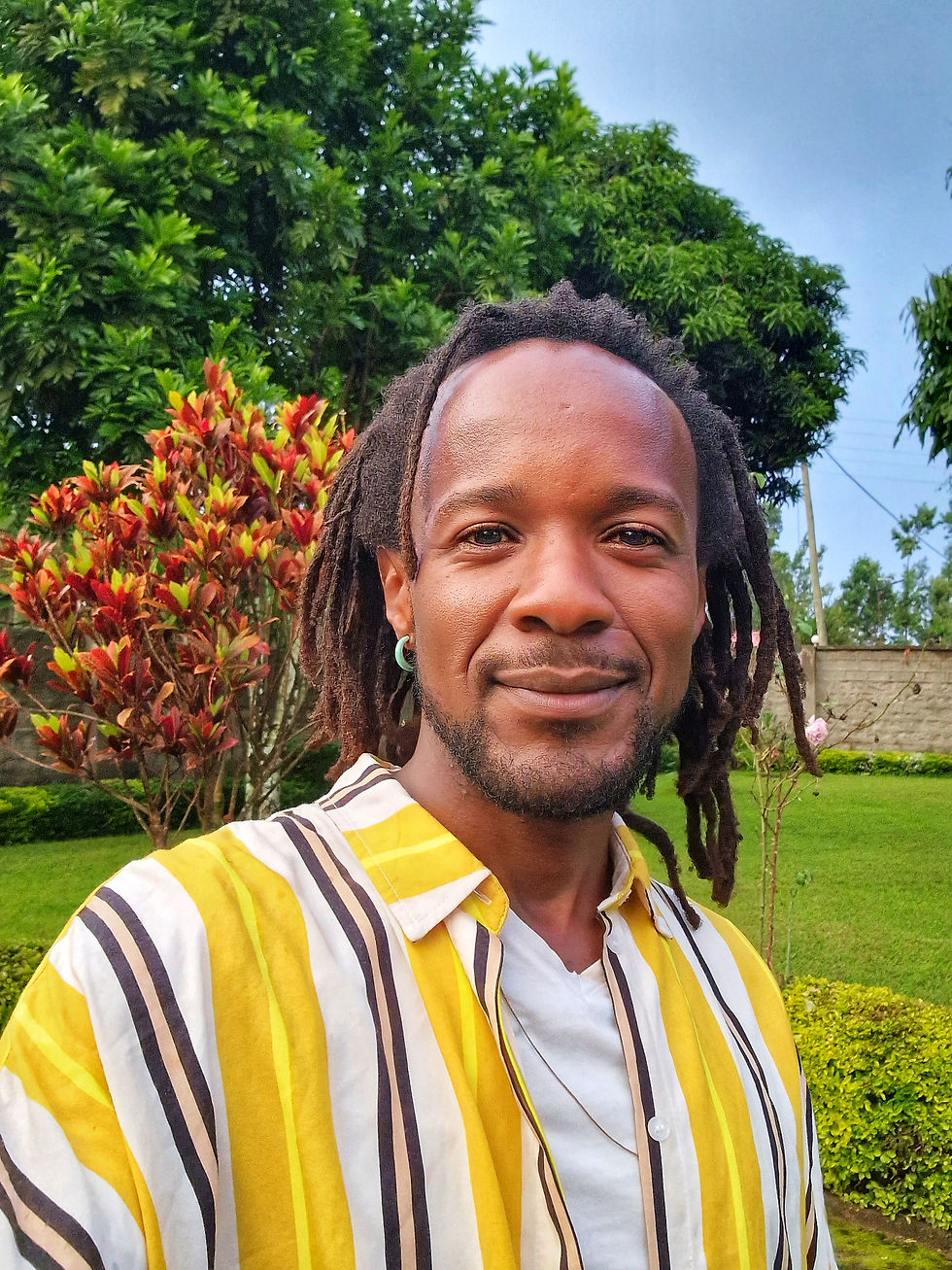
Njerũ Njoka bridges Kenya and the United Kingdom, carrying the agricultural wisdom of his 103-year-old grandmother Kairũ into contemporary discourse on land stewardship. Their contribution introduces the Ĩrĩma framework — a pre-colonial system of land ethics rooted in reciprocity, care, and intergenerational responsibility. They write from their grandmother, and through her, to all of us.
Beth Davies-Kumadiro
Zimbabwe, United Kingdom
Jambanja - Chaos in pursuit of justice
Essay | 14 min read
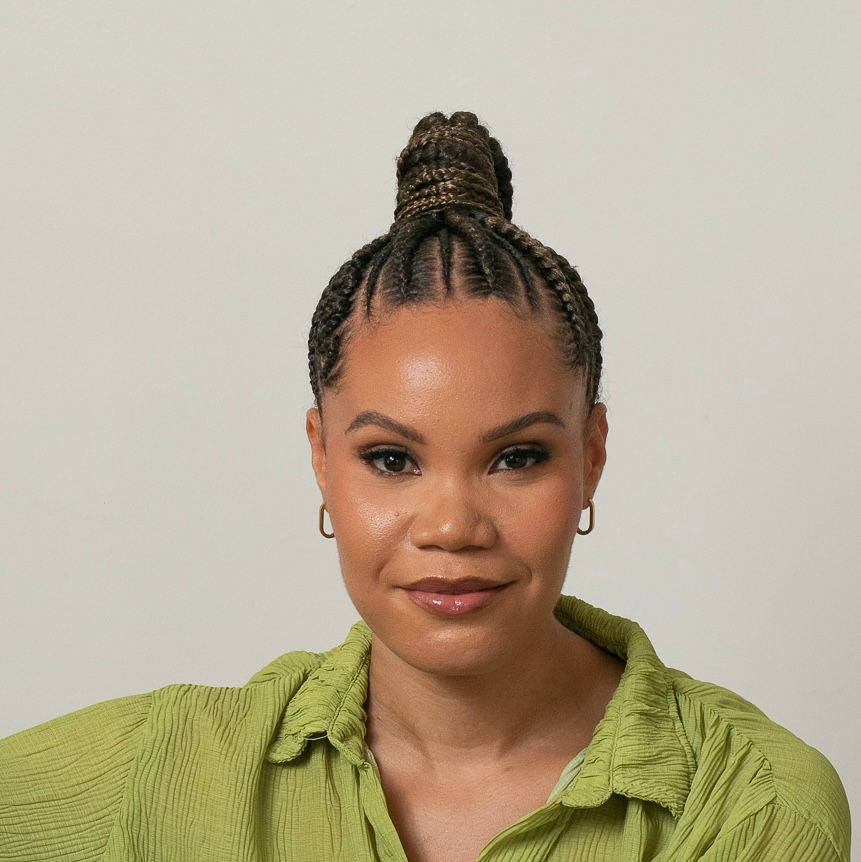
Beth Davies-Kumadiro moves between Zimbabwe, the UK, and Nigeria, carrying perspectives that challenge dominant narratives about African land reform. Her contribution asks who benefits from framing Zimbabwe's land redistribution as 'collapse' — and what becomes possible when we tell a different story. She centres the voices of those who received land, not those who lost it.
Geography
Title
Format
Biography

Thula Ziqubu
South Africa
Income in The Bedroom
Letter | 12 min read
Thula Ziqubu is a South African writer whose contribution takes the form of a letter — intimate, direct, unflinching. He examines how income differentials within relationships become power differentials, how the person who earns more can become the person who decides more. The bedroom, he argues, is not exempt from capitalism. It is one of its most intimate sites.
Geography
Title
Format
Biography

Diamond Walton
United States
Retirement is a Myth
Essay | 14 min read
Diamond Walton is an American writer and financial practitioner whose family roots trace to Black Tulsa — the community known as "Black Wall Street" before it was firebombed in 1921. Her contribution dissolves the myth of retirement, tracing how this promise was never designed for Black bodies. She writes from her own journey: dissolving retirement first in shame at 27, then in joy — realising that the myth's dissolution was not loss but liberation. What her ancestors built in Tulsa, before it was destroyed, offers a different model.
Geography
Title
Format
Biography

The Black Papers: Syntropic Narratives for Systems Change
© 2025 A Learning 2 Unlearn Project